The Baltimore Police Department (BPD) has faced scrutiny over the years for various allegations of misconduct, including excessive force, wrongful arrests, and unconstitutional searches and seizures. With growing public awareness around civil rights and police accountability, individuals affected by such incidents must know their options. Consulting a BPD misconduct lawyer can be critical for those seeking justice. In this blog post, we will explore when it might be necessary to consult a lawyer, the types of claims you may pursue, and how to navigate the complexities of holding law enforcement accountable.
Understanding Police Misconduct
Police misconduct encompasses a range of behaviors that violate an individual's civil rights. Common types include:
- Excessive Force: Instances where law enforcement officers use more physical force than necessary. Unconstitutional Searches and Seizures: Searches conducted without probable cause or warrants are violations of the Fourth Amendment. Wrongful Arrests: Arrests made without sufficient evidence or legal justification. Failure to Provide Medical Care: Ignoring medical needs of individuals in custody can lead to severe consequences.
The Importance of Documentation
Before consulting a misconduct lawyer, it's crucial to gather as much documentation as possible about the incident. This may include:
- Police Reports: These can be obtained through the Maryland Public Information Act. Witness Statements: Eyewitness accounts can strengthen your case significantly. Body Camera Footage: Legal access to body camera footage may provide objective evidence regarding the incident in question.
Documenting everything is vital not only for your own records but also for laying the groundwork for any potential legal claims you may want to pursue.
When Should You Consult a Misconduct Lawyer?
While every situation is unique, there are several circumstances under which consulting a BPD misconduct lawyer becomes essential:
1. Experiences of Excessive Force
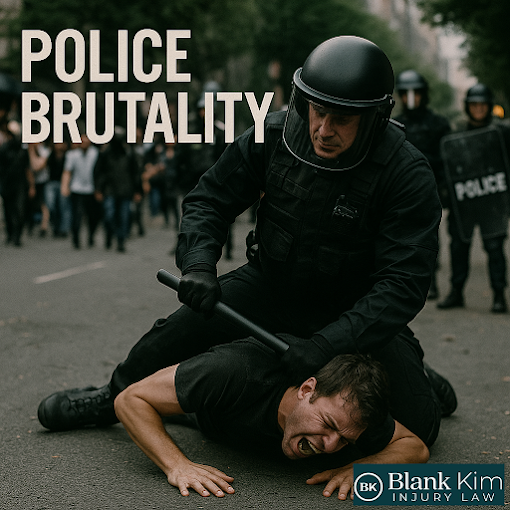
If you have been subjected to excessive force during an arrest or while in police custody, it is crucial to seek legal counsel. An experienced Baltimore police brutality attorney can evaluate whether your rights have been violated under §1983 claims in Maryland. This federal statute allows individuals to sue state actors for constitutional violations.
2. Wrongful Arrests
If you've been wrongfully arrested without probable cause, you may have grounds for legal action against the officers involved. A civil rights attorney in Baltimore can help you navigate the complexities of wrongful arrest claims and determine whether you are entitled to compensation for damages incurred.
3. Unconstitutional Search and Seizure
If law enforcement officials conducted a search without a warrant or probable cause, consulting with a BPD misconduct lawyer is advisable. They can assess whether your Fourth Amendment rights were violated and help you challenge any evidence obtained unlawfully.
4. Failure to Provide Medical Care
In cases where police fail to address urgent medical needs while in custody, victims may have valid claims against the department. A skilled attorney will understand how these issues intersect with civil rights laws.
5. Seeking Accountability for Systemic Issues
If you're part of a broader movement advocating for systemic change within the BPD due to ongoing issues with use-of-force policies or other practices, engaging with an attorney who specializes in civil rights litigation can amplify your voice.
Navigating Legal Options
Once you've consulted with a misconduct lawyer and determined that you have grounds for action, several legal avenues may be available:
Filing §1983 Claims
Under §1983 claims in Maryland, individuals can seek redress against state officials for violations of constitutional rights. This form of litigation typically requires proving that the officer acted under color of state law and that their conduct resulted in constitutional harm.
Pursuing Civil Lawsuits
Victims of police misconduct often consider filing civil lawsuits against individual officers as well as police departments. Such lawsuits can claim damages not just for physical injuries but also emotional distress and punitive damages depending on the severity of misconduct.
Legislative Advocacy
Sometimes pursuing change goes beyond individual cases; it involves legislative advocacy aimed at reforming police practices at local levels. A civil rights attorney can guide community efforts focused on improving use-of-force policies within Baltimore PD.
Conclusion
Holding the Baltimore Police Department accountable requires diligence and knowledge about your legal rights and options. Whether you've been subjected to excessive force or faced wrongful arrest, engaging with a qualified BPD misconduct lawyer can empower you on your journey toward justice.
Understanding when to consult an attorney is crucial—be proactive if you find yourself in situations involving police misconduct. By documenting incidents thoroughly and seeking legal counsel promptly, you increase your chances of holding law enforcement accountable effectively.
Frequently Asked Questions
1. What should I do immediately after experiencing police misconduct?
- Document everything related to the incident—take photographs if possible, gather witness information, request copies of reports through public records requests like the Maryland Public Information Act, and consult with an experienced attorney as soon as feasible.
2. Can I file a lawsuit against individual officers?
- Yes, individuals can file lawsuits against both individual officers involved in misconduct and their respective departments depending on specific circumstances surrounding each case.
3. How long do I have to file a claim?
- It's essential to act quickly; statutes of limitations vary based on whether you're pursuing state or federal claims but often range from one year up to three years from the date of incident occurrence.
4. What kind of compensation might I receive?
- Compensation varies widely based on severity but could include medical expenses incurred due to injuries sustained from excessive force or emotional distress damages resulting from wrongful arrests or unconstitutional actions by law enforcement agencies.
5. Will my case go to trial?
- Not all cases go before a judge; many settle out of court through negotiations between attorneys before reaching trial stages unless agreements cannot be met effectively between parties involved.
By staying informed https://bkinjurylawyers.com/baltimore-personal-injury-attorneys/ about your rights and options concerning police conduct issues—and knowing when expert legal assistance is essential—you are taking significant steps toward fostering accountability within law enforcement systems like those seen at Baltimore PD today!